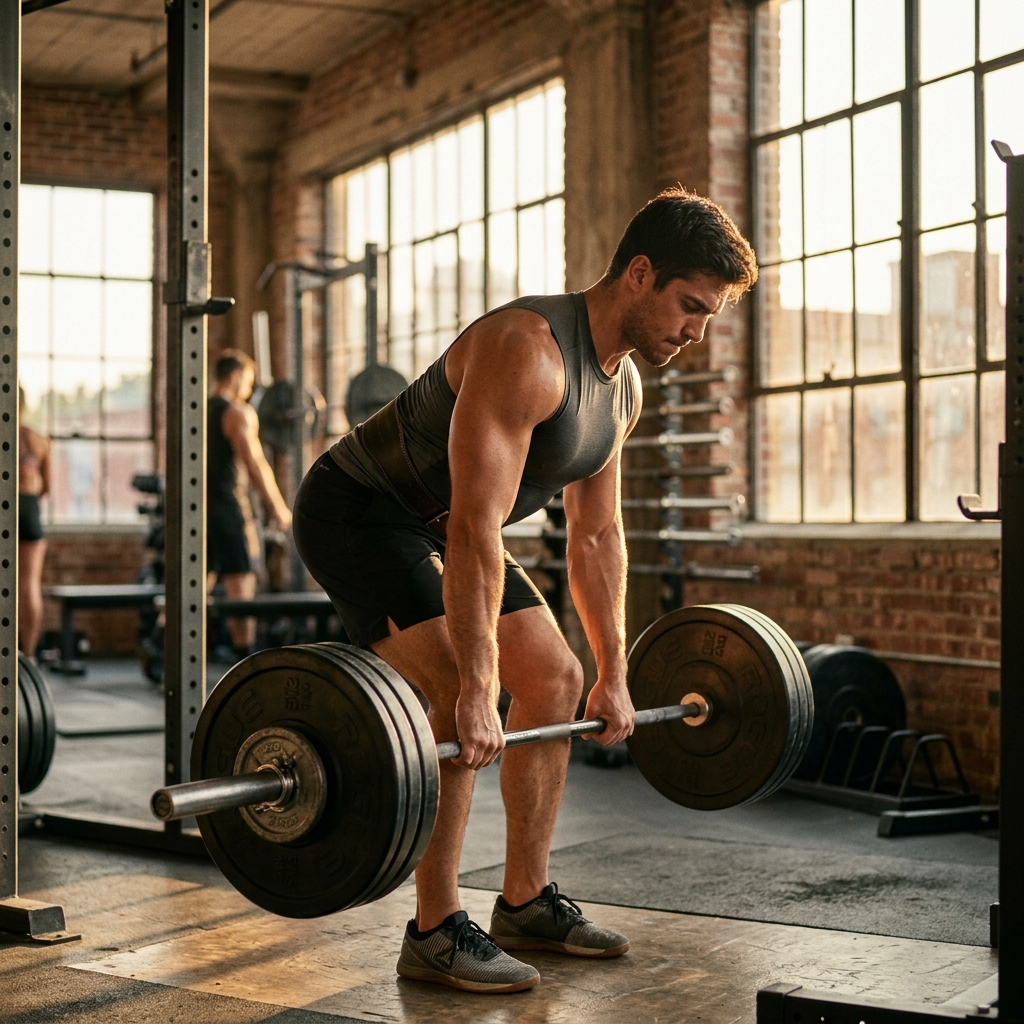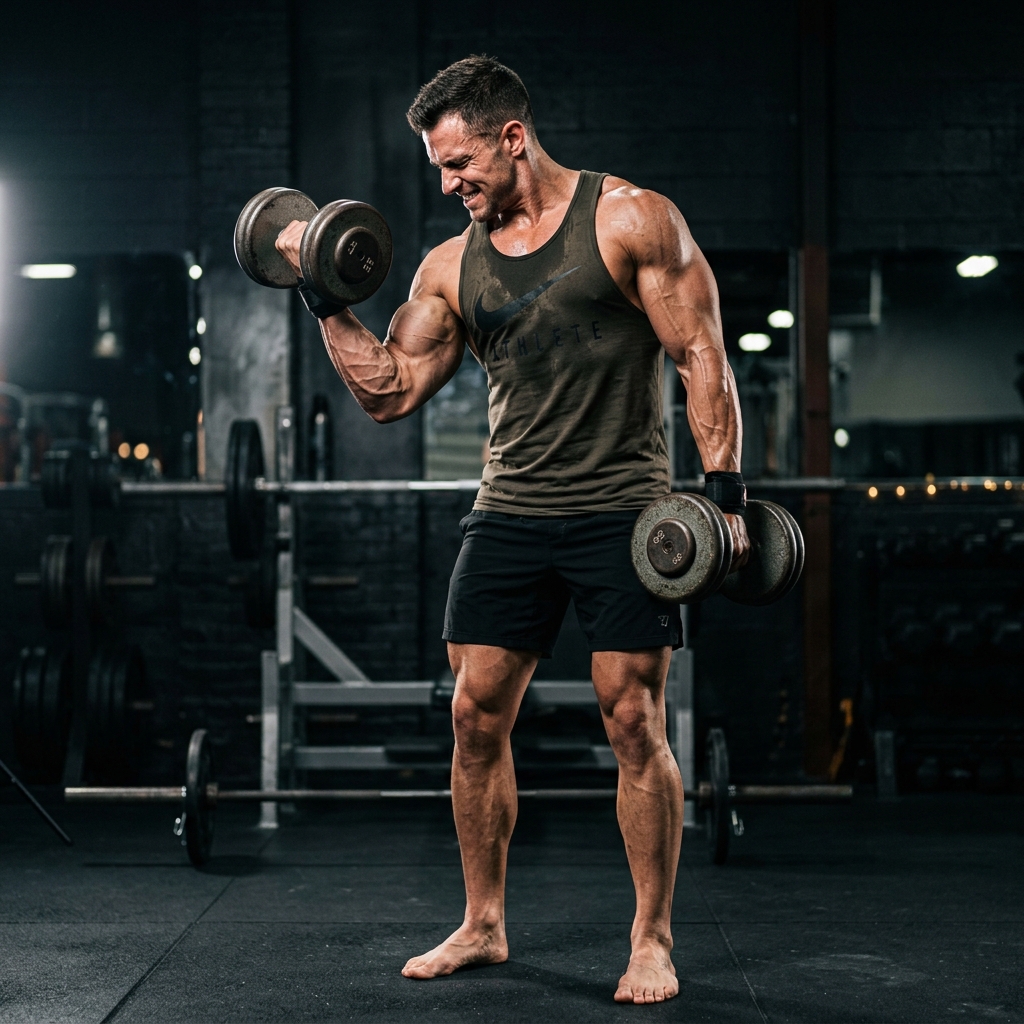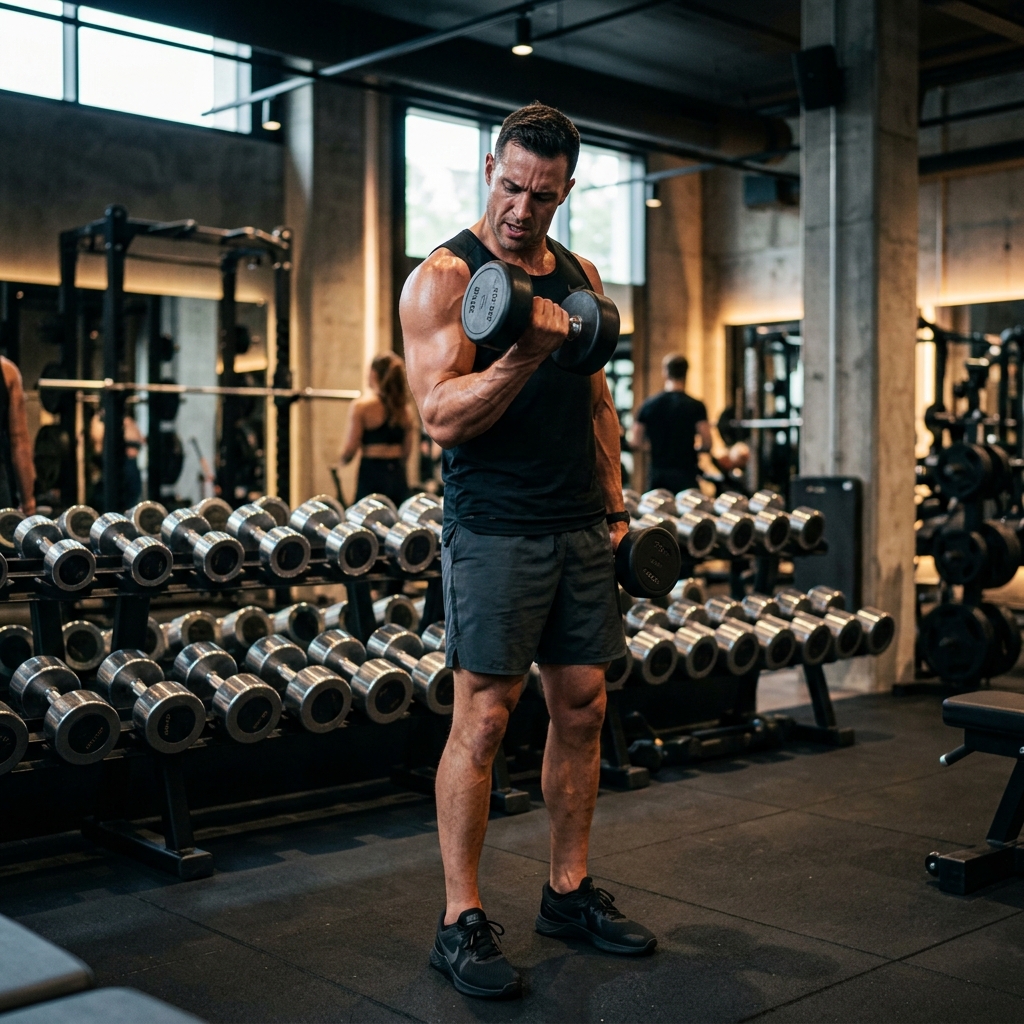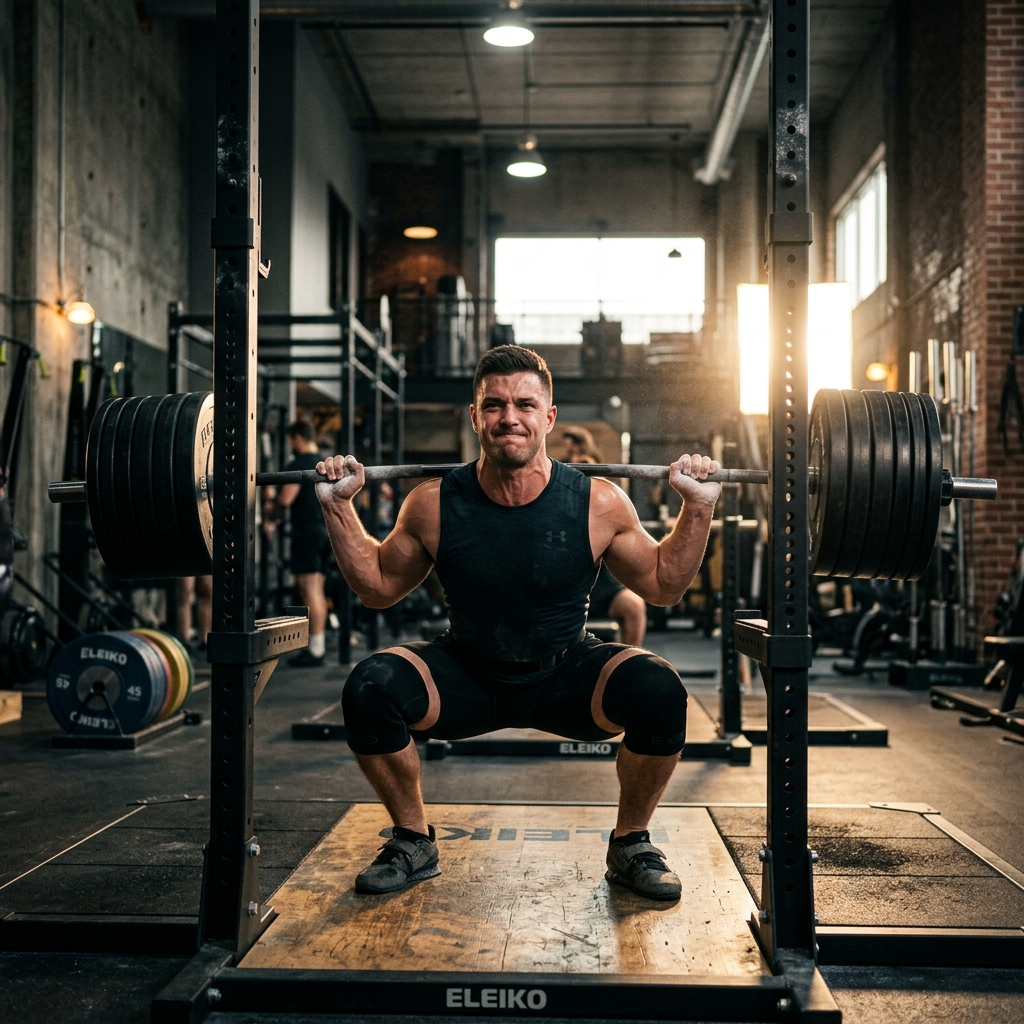
The Push Pull Legs (PPL) split organizes your training by movement patterns rather than isolated muscle groups. By grouping chest, shoulders, and triceps into push days, back and biceps into pull days, and lower body into leg days, PPL maintains high training frequency while allowing adequate recovery between sessions [1].
Why Push Pull Legs Works
Traditional body-part splits often hit each muscle group only once per week with excessive single-session volume, leading to local fatigue and diminishing returns per set. PPL groups synergistic muscles into single sessions, optimizing weekly volume distribution (10–20 working sets per muscle group per week) [2]:
Weekly Schedule Options
Choose a frequency schedule that aligns with your recovery capacity and weekly schedule.
6-Day Hypertrophy Schedule
The 6-day split runs PPL twice per week with a rest day on Sunday. Studies indicate training a muscle group twice per week yields superior hypertrophy compared to once per week when total volume is matched [1].
| Day | Session | Primary Lifts | Volume |
|---|---|---|---|
| Mon | Push A | Barbell Bench Press, Incline Dumbbell Press, Chest Dips | 16-18 sets |
| Tue | Pull A | Wide Lat Pulldown, Barbell Row, Hammer Curl | 16-18 sets |
| Wed | Legs A | Barbell Back Squat, Lying Leg Curl, Calf Raise | 16-18 sets |
| Thu | Push B | Dumbbell Overhead Press, Cable Fly, Overhead Extension | 16-18 sets |
| Fri | Pull B | Seated Cable Row, Incline Dumbbell Curl, Face Pull | 16-18 sets |
| Sat | Legs B | Barbell Straight Leg Deadlift, Leg Press, Lunge | 16-18 sets |
| Sun | Rest | Recovery & Mobility | 0 sets |
3-Day Strength Schedule
Beginners or trainees with limited time can perform PPL as a 3-day split (Mon: Push, Wed: Pull, Fri: Legs) with 4 rest days per week.
Push Workout A: Heavy Pressing & Delts
Primary focus on horizontal pressing for chest development, paired with incline work, chest dips, lateral deltoid, and tricep isolation.
1. Barbell Bench Press
Retract shoulder blades, lower bar smoothly to mid-chest, and press vertically.
2. Incline Dumbbell Bench Press
Set bench to 30 degrees to emphasize upper chest fibers.
3. Chest Dips
Lean slightly forward at 30 degrees to bias lower pectoral fibers and triceps.
4. Dumbbell Lateral Raise
Raise arms slightly in front of torso to target lateral deltoid head.
5. Cable Triceps Pushdown
Keep upper arms pinned against ribs and fully extend elbows at bottom.
Pull Workout A: Lat Width & Upper Back
Combines vertical lat pulldowns, heavy horizontal rows, face pulls, incline curls, and hammer curls to build back thickness and arm volume.
1. Cable Bar Lat Pulldown
Pull bar to collarbone while depressing shoulders to engage lats.
2. Barbell Bent-Over Row
Hinge at 45 degrees, pull bar to lower stomach driving elbows back.
3. Face Pulls (Cable Rear Delt Row)
Pull rope attachment to eye level while externally rotating shoulders.
4. Incline Dumbbell Bicep Curl
Perform on an incline bench to stretch bicep long head before curling.
5. Dumbbell Cross Body Hammer Curl
Curl across torso with neutral grip to isolate brachialis and forearms.
Leg Workout A: Quad & Hamstring Focus
Build lower body strength with heavy squats, straight leg deadlifts, lying leg curls, quad leg extensions, and calf raises.
1. Classic Barbell Back Squat
Squat below parallel keeping chest upright and knees tracking over toes.
2. Barbell Straight Leg Deadlift
Hinge at hips with flat back to target hamstrings and glutes.
3. Lever Lying Leg Curl
Flex knees pulling pad to glutes to isolate knee flexion hamstrings.
4. Lever Leg Extension
Pause briefly at full extension to isolate quadriceps.
5. Standing Calf Raise
Pause at full stretch at bottom, press up through ball of foot.
RIR Intensity & Progression
Auto-regulate training intensity using Repetitions in Reserve (RIR) [3]:
- Compound Lifts (Squat, Bench, Row, Deadlift, Dips): Stop sets at 1 to 2 RIR (1–2 reps short of failure). Research indicates non-failure training yields equivalent hypertrophy with reduced central fatigue [4].
- Isolation Lifts (Lateral Raise, Bicep Curl, Hammer Curl, Leg Extension): Push to 0 to 1 RIR.
Apply Double Progression: Pick a load you can perform for 6 reps. Keep load constant until achieving 8 clean reps across all sets, then increase weight by 2.5–5 lbs.
Warm-Up Protocol
Perform 5 minutes of light cardio followed by simple joint prep:
- Upper Body Days: 2 sets of 15 band pull-aparts and shoulder circles.
- Lower Body Days: 2 sets of 10 bodyweight squats and hip openers.
Scientific References
- [1] Schoenfeld, B. J., et al. (2016). Effects of Resistance Training Frequency on Measures of Muscle Hypertrophy: A Systematic Review and Meta-Analysis. Sports Medicine, 46(11), 1689–1697.PMID: 27102172 ↗
- [2] Schoenfeld, B. J., et al. (2017). Dose-response relationship between weekly resistance training volume and increases in muscle mass: A systematic review and meta-analysis. Journal of Sports Sciences, 35(11), 1073–1082.PMID: 27433992 ↗
- [3] Zourdos, M. C., et al. (2016). Novel Resistance Training Specific Rating of Perceived Exertion Scale Measuring Repetitions in Reserve. Journal of Strength and Conditioning Research, 30(1), 267–275.PMID: 26662712 ↗
- [4] Refalo, M. C., et al. (2022). Resistance Training to Intention Failure vs. Non-Failure: Effects on Muscle Strength and Hypertrophy. Sports Medicine, 52(11), 2677–2689.PMID: 36335265 ↗