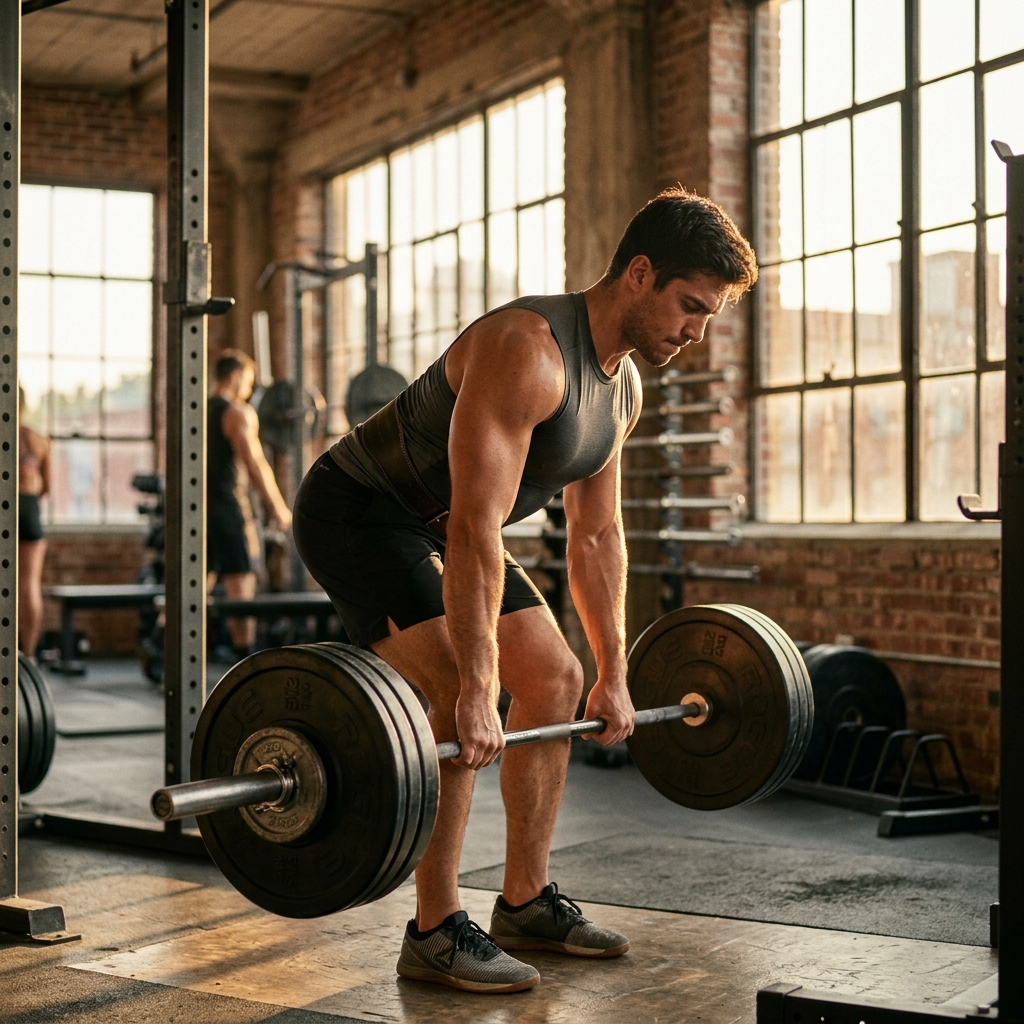
Pairing back and biceps into a single training session works because every major back exercise involves elbow flexion. When you perform lat pulldowns, rows, or pull-ups, your biceps assist as secondary movers. Placing arm isolation work at the end of a back workout ensures complete muscular fatigue without requiring an extra training day.
1. BARBELL BENT-OVER ROW
Hinge forward at 45 degrees, keeping your weight in your heels and maintaining a neutral spine. Pull the bar smoothly toward your lower abdomen, driving your elbows behind your torso to maximize upper back thickness.
2. CABLE BAR LAT PULLDOWN
Grip the bar slightly wider than shoulder width. Depress your shoulder blades before initiating the movement, pulling the bar to your upper chest while driving your elbows downward.
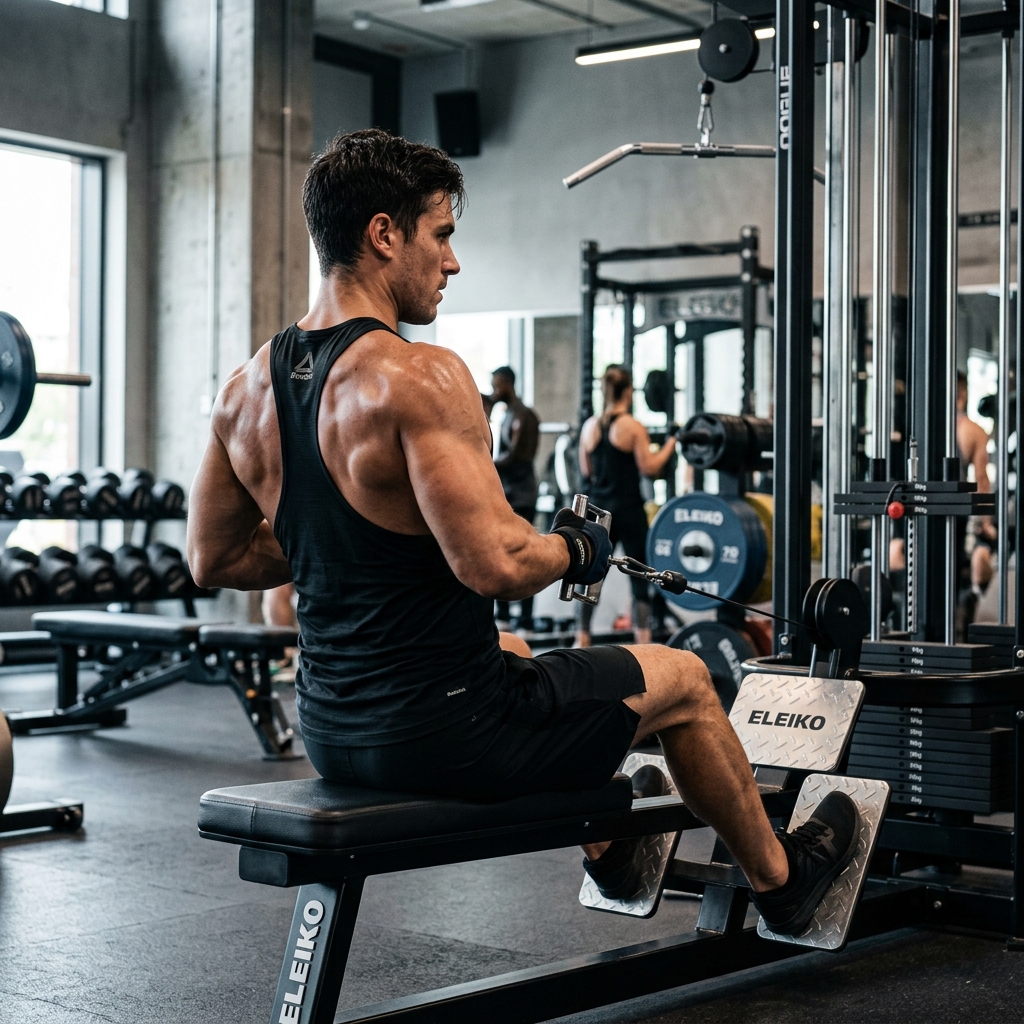
3. SEATED CABLE ROW
Sit upright with your knees slightly bent and feet supported. Pull the cable attachment smoothly into your midsection, driving your elbow backward and squeezing your lat blade at peak contraction.
4. LEVER T-BAR ROW
Straddle the T-bar apparatus with your chest supported or torso hinged at 45 degrees. Pull the handles upward toward your chest, focusing on heavy scapular retraction and mid-trapezius engagement.
5. CABLE FACE PULL
Attach a rope to a high pulley. Pull the handles toward your forehead while externally rotating your shoulders, driving your elbows high and wide to target the rear deltoids and rotators.
6. INCLINE DUMBBELL BICEP CURL
Set your incline bench to 60 degrees. Allow your arms to hang straight down to stretch the long head of the bicep before curling smoothly upward without swinging your shoulders.
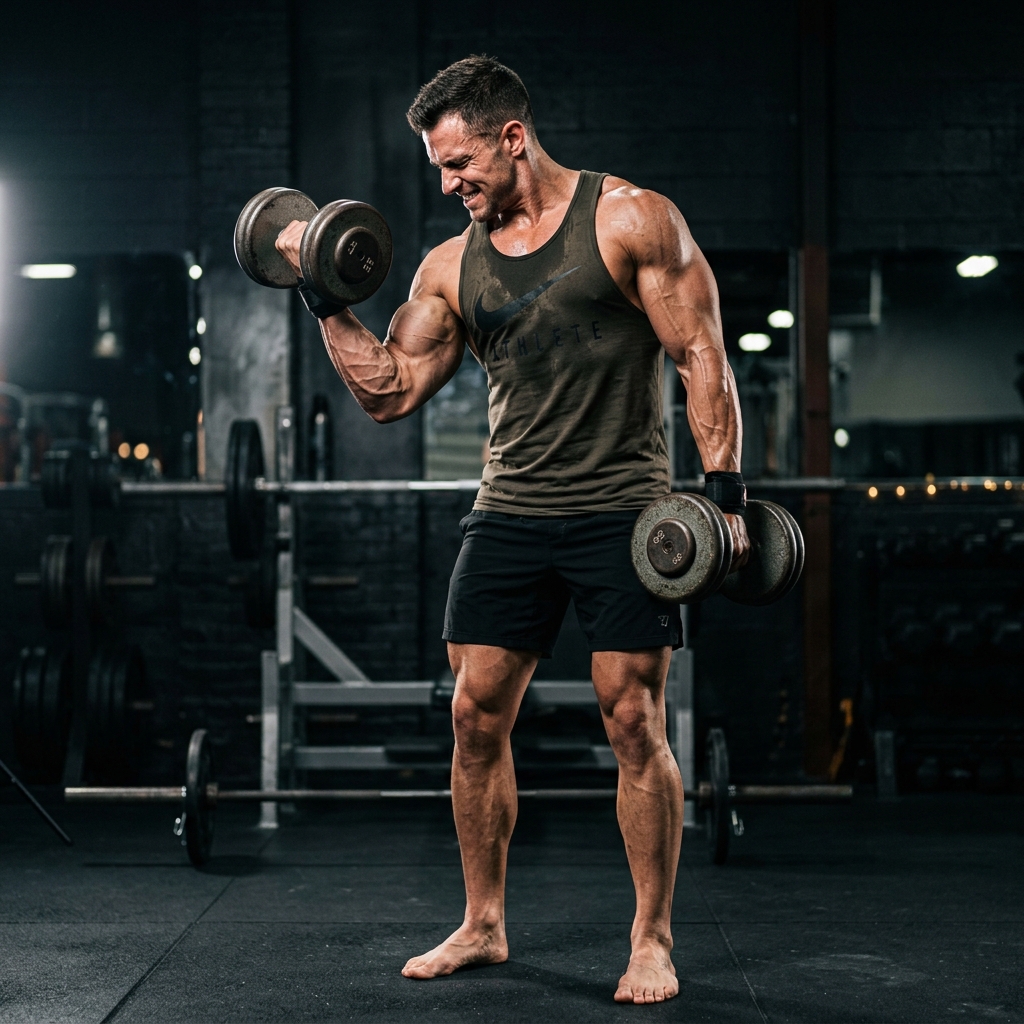
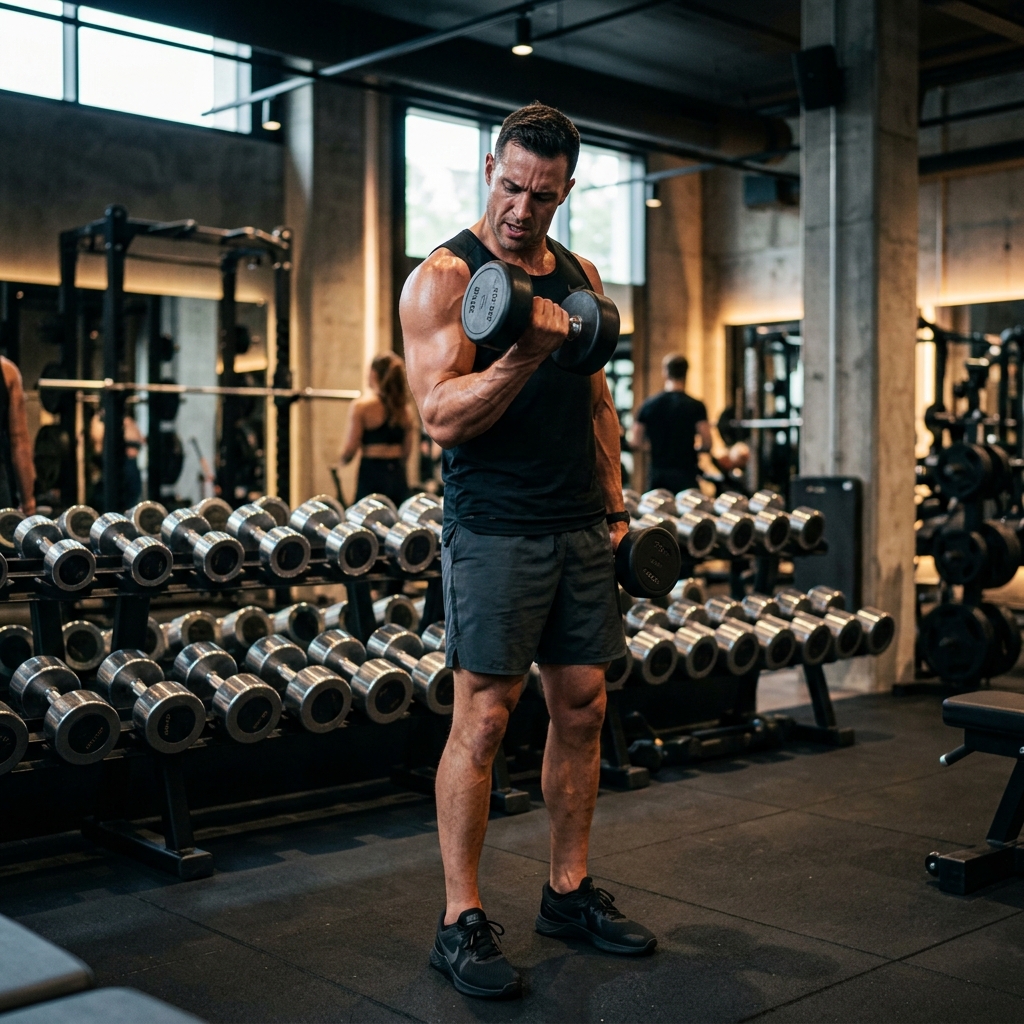
7. STANDING DUMBBELL BICEP CURL
Stand upright with dumbbells at your sides. Supinate your wrists as you curl upward, squeezing your biceps hard at peak contraction before lowering under strict control.
8. CROSS BODY HAMMER CURL
Maintain a neutral grip with palms facing inward. Curl each dumbbell diagonally across your chest toward the opposite shoulder to isolate the brachialis and forearm muscles.